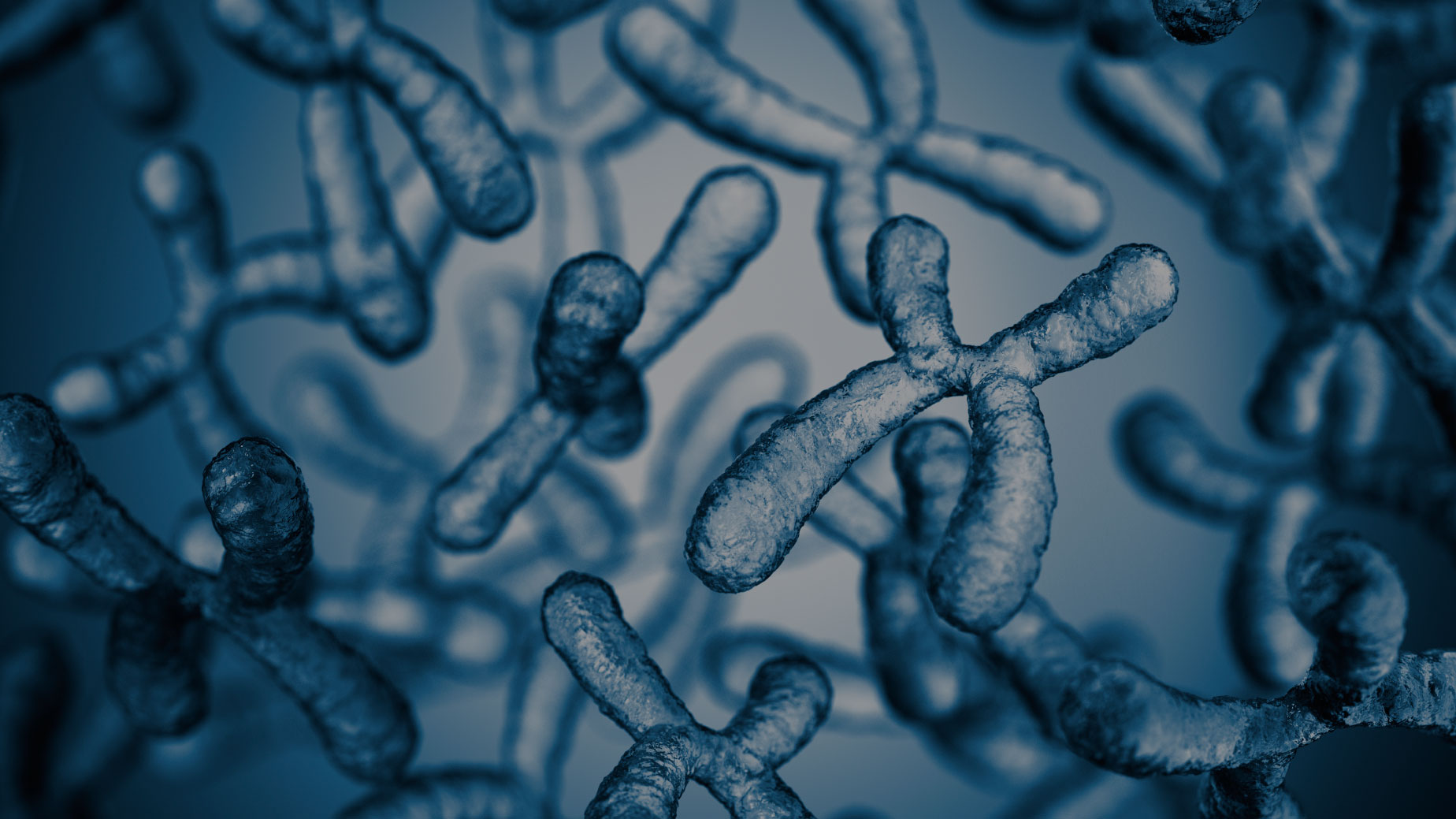

Company Overview

Meiogenix SAS is a biotech company that holds worldwide exclusive license from the Institut Curie and the INRA for SpiX®, a key technology that modulates the frequency of homologous recombination (HR) in eukaryotic cells.

This technology accelerates and amplifies the natural process that introduces genetic diversity from parent organisms. Thus, it enables to generate novel natural varieties, which can bear high commercial potential, especially when parent strains manage to exchange traits of interest.

Download our Corporate Fact Sheet

Meiogenix Offices

3 rue Castex

75004 Paris, France

News

  • March 21, 2012

    Meiogenix, Announces the Constitution of a Scientific Advisory Board

    Meiogenix, a genomic biotech company developing a technology that modulates meiotic recombination (SpiX®), has announced the constitution of its Scientific Advisory Board. Dr. Alain Nicolas will chair the SAB, and is joined by Prof. Holger Puchta and Prof. Philip Avner.

    read more

  • September 4, 2011

    Meiogenix presents a poster at the Conference Plant Genome Evolution 2011

    With this project, we propose to modify the pattern of homologous recombination in plants by fusing Spo11 to different DNA binding domains. This system will lead to a controlled stimulation of DSBs, keeping, at the same time, the cells in their physiological environment

    read more

  • January 28, 2011

    Meiogenix Applies Its Technology To Generate New Varieties Of Rice

    Meiogenix and CIRAD signed a collaboration agreement to evaluate the impact of Meiogenix's SpiX® technology in modulating meiotic homologous recombination in the genome of rice. The research program could lead to the identification of new natural varieties of rice with high commercial potential.

    read more

  • January 8, 2011

    Meiogenix SAS, A French Genomic Start-up Company, Raises 1,2M From Investors

    Meiogenix SAS, a French start-up biotech company developing a new genomic technology, closed its first round of financing of 1,2M€ from Kurma Biofund, a French venture capital fund focused in Life Sciences.

    read more

Our partners

The company

Meiogenix is a spin-off of the Institut Curie based on a genetic recombination breakthrough discovered by Dr. Alain Nicolas. His group discovered that the fusion of the endonuclease Spo11 responsible for initiating the homologous recombination to a DNA binding protein can significantly alter the homologous recombination (HR) pattern in cells and increase the recombination rate in regions with otherwise very low events. This technology facilitates the natural process that introduces genetic diversity in organisms allowing the generation of novel natural varieties with commercial potential. SpiX® (Spo11 technology), is protected by a class of patents.


Meiogenix established two important academic partnerships around its technology. The fist collaboration with Dr. Nicolas at Institut Curie is to apply SpiX® in an animal model. The second collaboration is in the area of plant genomics, with Dr. Emmanuel Guiderdoni at CIRAD (Montpellier, France), a recognized specialist in rice genomics. The research program in rice aims at demonstrating that SpiX® is able to effectively generate natural varieties of rice with desired traits in regions where the frequency of HR is low.

The people

Giacomo Bastianelli, Chief Executive Officer
Giacomo holds a PhD in computational biology and protein engineering from the Pasteur Institute in Paris (summa cum laude) and a M.Sc. in Pharmaceutical Biotechnology from the University of Bologna (summa cum laude). Before joining Meiogenix as CEO, Giacomo was analyst at Kurma Biofund. Giacomo has business training from Stanford University (Graduate School of Business) and HEC in Paris (Executive Education).
Alain Nicolas, Founder & Chief Scientific Officer
Currently, Dr Alain Nicolas (CNRS Research Director) is a group leader in the Department of "Dynamics of genetic information: fundamental basis and Cancer" (Institut Curie, CNRS UMR3244, University Pierre et Marie Curie). During his post-doc in the laboratory of at J. Szostak, (Harvard Medical School, Boston), he identified the first initiation site of meiotic recombination in the yeast S. cerevisiae. Then, Alain Nicolas started his group in the "Microbiology and Genetic Institute" (University Paris-Sud, Orsay) and joined the Institut Curie, Centre de recherche in 1994. Along these years, his group pursued the molecular analysis of the mechanisms and the control of the initiation of meiotic recombination in yeast and extended his interest into the fields of replication, DNA repair, genome instability, genomics and human genetics.
Raffy Kazandjian, Chairman of the Supervisory Board
Raffy Kazandjian is the managing partner of UBT, an advisory services organization which provides a variety of business and financial services to biotechnology, biopharmaceutical and biomedical companies. As former President of CDC-Innovation(1998-2002), with €300 M under management, which he mostly raised, he has over 20 years of experience in the biotechnology and venture-capital industry. Prior to venture-capital activities, R. Kazandjian had an original career with the Procter & Gamble Company, and Sanofi-Synthelabo. He also managed two life sciences companies. He's been on the board of several in life science companies, (incl. Arpida, BioMedical Diagnostics, IDM, Cryocath Technoogies (TSE : CYT), Cellectis (CLS), Immutep SA). Mr Kazandjian is a graduate of INSEAD (MBA'90), MIT (MS'85). and the Paris school of chemistry (ENSCP '83).
Thierry Laugel, Supervisory Board Member
Thierry Laugel is managing partner of Kurma Life Science Partners. Thierry is pharmacist and holds a PhD in pharmacology and a MBA from INSEAD. After his dissertation, Thierry was a scientific representative for Laboratoires Fournier in Japan for four years at a time when Lipanthyl was released in Japan and research programmes were being rolled out with Grelan, a Takeda Group company. Having then studied at Insead, he joined Flamel Technologies as project director for Pharmaceutical R&D, after its IPO on the Nasdaq. In 1998, he then moved to the investment world, first at Caisse des Dépôts (CDC Innovation, then within the PharmaVent project), before moving to AGF Private Equity, where he supervised the healthcare investment team.
Vincent Turries, Supervisory Board Member
Mr. Turries has over 25 years of executive and managerial experience in the Crop Protection industry worldwide. He has held various responsibility positions in the plant biotechnology division of major players such as Rhône Poulenc Agro, Aventis Crop Science and Bayer Crop Science. He holds a M.S. degree in Agronomy/Engineering from the Institut National Agronomique Paris-Grignon, a M.S. in plant physiology from University de Sciences et Techniques du Languedoc and a MBA from Institute Superieur des Affaires, Jouy-en-Josas.
Damien Salauze, Supervisory Board Observer
Dr Salauze is VP, Business Development & Licensing at the Institut Curie in Paris. Dr Salauze previously held positions at Aventis (Head of a Toxicology Department, then Senior International Marketing Director [Oncology]), Auriga Ventures (Partner), Novagali Pharma (CEO), Sepal Pharma (CEO). He seats at the Board of Directors of several companies, and has recently been elected at the French National Academy of Pharmacy. He obtained his PhD from Institut Pasteur, Paris, and his MBA from Insead.
Philippe Lenée, Supervisory Board Observer
Dr Philippe LenEe is the head of the INRA Transfert, the INRA subsidiary responsible for valorising innovations in agronomic research and setting up European projects. Dr LenEe started as head of a biotech research team at BIOCEM (part of the Limagrain group) and subsequently worked in the valorisation of intellectual property at Agri Obtentions (a subsidiary of INRA, The National Institute for Agronomic Research) and in the IP committee of Génoplante-Valor that protects and valorises innovations by Génoplante-ANR. Dr LenEe has a Doctorate in vegetable biotechnology.
Holger Puchta, Scientific Advisor
Prof. Holger Puchta holds the chair of plant molecular biology and biochemistry at the Karlsruhe Institute of Technology (KIT). He studied biochemistry, and after his PhD at the Max-Planck-Institute for Biochemistry in Munich he joined the laboratory of Barbara Hohn at the Friedrich Miescher Institute in Basel to work on DNA recombination in plants. As a group leader at the Institute for Plant Genetics in Gatersleben (IPK) he elucidated major mechanisms of double-strand break repair in plants. His research interests centre around somatic and meiotic recombination in plants as well as green gene technology.
Philip Avner, Scientific Advisor
Philip Avner is Head of the Developmental Biology Department of the Institut Pasteur where he also heads the Mouse Molecular Genetics Unit. His main research interests are the field of epigenetics and mouse genetics. Epigenetic studies aim at defining the role of the X-inactivation centre in X-inactivation. Mouse genetics studies are centred on analysis of multi-factorial and polygenic control including type I diabetes. Philip Avner is an EMBO member and was awarded the Louis D prize in 2011 by the French Academy of Science for his work on epigenetics.

SpiX®

Meiogenix was founded by Dr. Alain Nicolas at Institut Curie, who has discovered that the fusion of the endonuclease responsible for initiating HR during meiosis (Spo11), to a DNA binding protein can significantly shift the HR pattern in cells and increase the recombination rate in regions that otherwise display very low rate of recombination events. The Spo11-endonuclease technology, labeled SpiX®, is protected by a family of issued patents and was published in peer-reviewed international journals.

Applications

Meiogenix sees major applications of the technology in mammalian cells and in plants. In particular in plant genomics, obtaining novel varieties of interest can be very difficult and expensive especially when the genes sought are located in regions with a very low recombination rate. By targeting and boosting the HR frequency in these regions, SpiX® will accelerate the identification of new genetic traits and reduce significantly the cost and timeframe for the development of novel plant varieties with important commercial applications. It is noteworthy that SpiX facilitates natural but difficult recombinations between distant varieties within a species, without introducing exogenous DNA constructs. Consequently, new plant varieties selected via this approach would not be qualified as GMOs and thus enjoy better public acceptance.In human health, new animal models for specific diseases remain an area of high interest for the pharmaceutical industry. Meiogenix's technology will facilitate the genetic engineering of species such as mouse, rat or fish. Lastly, the technology could also have an important impact in embryonic stem cells engineering and production.

The science

Organisms evolve and adapt to environmental changes through a series of mechanisms that introduce diversity in their genomes and transmit it to their progeny. The homologous recombination (HR) is the principal mechanism to introduce such diversity in eukaryotic cells and it has been used by the biotechnology industry to create novel organisms with interesting new characteristics, e.g. plant varieties.


The process of homologous recombination (HR) enables the exchange of nucleotide sequences between two similar or identical DNA strands. HR occurs in every cell. In somatic cells, it is mostly involved in the repair of endogenous and exogenous genotoxic lesions and involves sister chromatids as templates. In germline cells, HR further occurs during meiosis, a highly differentiated process that leads to the halving of the chromosome number and gamete formation. In sharp contrast to mitotic cells, HR in meiosis involves interaction between the paternal and maternal chromosomes allowing the exchange of genetic material between the parental chromosomes and ensuring proper chromosome segregation at the reductional division of meiosis. Indeed, defects in HR during meiosis lead to cell cycle arrest and/or abnormal chromosome distribution and, thus, are the source of infertility.

Figure 1

The process of meiotic homologous recombination


The mechanism of meiotic HR is rather well understood at the molecular level. The principal steps are illustrated in Figure 1. Spo11, an evolutionary conserved endonuclease, initiates the meiotic HR by catalyzing the formation of meiotic double-strand breaks (DSBs) and recruits other proteins involved in the process. The process of recombination yields two types of recombinants, gene conversion (GC) events in which a few Kb (or less) of DNA have been copied from the homologous chromosome without exchange of the flanking regions (non reciprocal event) and crossover recombinants in which the flanking regions have been reciprocally exchanged. Meiotic recombination occurs at numerous places along the chromosome generating the genetic diversity transmitted by the gametes. It also occurs in numerous chromosomal regions but not everywhere and at the same rate. Some chromosomal regions frequently recombine, but others are "cold".


Figure 2

Distribution of meiotic DSBs along the yeast chromosome III
For example, Figure 2 illustrates the variation of DSB frequencies along the yeast Saccharomyces cerevisiae chromosome III (340 Kb). Site by site frequencies vary 100-1000 fold and, globally, the chromosome is organized into cold domains, such as the centromeric (III), telomeric (I and V) and the interstitial region III, while domains II and IV are more recombinogenic, albeit the frequency per site still greatly varies. In all eukaryotic organisms, mammals, plants and lower eukaryotes, meiotic recombination is a rather rare event which preferentially occurs at limited chromosomal sites known as hot-spots not randomly distributed along the chromosome lengths. The consequence of the uneven distribution is that genetic traits located in proficient recombination regions are frequently re-associated in the gametes, whereas those located in cold regions rarely recombine, remaining in parental configuration in the vast majority of gametes, and thus for a much larger number of generations.


Figure 3

Time-course of double-strand break formation in the GAL2 gene upon induction of meiosis. The natural protein Spo11 does not form double-strand breaks in the 5' region of the GAL2 gene(left). The Gal4BD-Spo11 (SpiX® technology) fusion protein, by contrast, produces a single double-strand break in this gene (indicated by the arrow, right).
The technology developed by the team of Dr. Alain Nicolas, allows targeting and enhancing meiotic recombination in cold regions. This was achieved in a model S. cerevisiae genome (Peciña et al., 2002; Patents). The technology is based on Spo11, an evolutionary conserved endonuclease that naturally catalyzes the formation of meiotic double-strand breaks (DSBs). Spo11 polypeptide is fused to an heterologous DNA binding domain, such as the Gal4 DNA binding domain. As illustrated in Figure 3, the Gal4BD-Spo11 construct increases the formation of DSBs in the naturally cold GAL2 region naturally containing five DNA binding sequences (UAS). Gene conversion of adjacent markers and crossovers, measured between flanking markers placed few kb away, were stimulated more than 10 fold. SpiX® harmonizes the process of homologous recombination in the genome by increasing its frequency in cold regions.

Key Publications:

Contact us

For more information, collaboration and licensing opportunities send us an email to:

Meiogenix, a genomic biotech company developing a technology that modulates meiotic recombination (SpiX®), has announced the constitution of its Scientific Advisory Board. Dr. Alain Nicolas will chair the SAB, and is joined by Prof. Holger Puchta and Prof. Philip Avner.

March 21, 2012

Dr. Alain Nicolas is a group leader at the Research Center of the Institut Curie, Paris. Dr. Nicolas pioneered research on the initiation of meiotic recombination in eukaryotic cells and is the inventor of the patented Spo11 Meiogenix's technology that stimulates homologous recombination at targeted sites in the genome.Prof. Holger Puchta holds the chair of plant molecular biology and biochemistry at the Karlsruhe Institute of Technology (KIT) where he elucidated major mechanisms of double-strand break repair in plants. His research interests centre on somatic and meiotic recombination in plants as well as green gene technology. Prof. Philip Avner is the head of the Developmental Biology Department of the Institut Pasteur where he also heads the Mouse Molecular Genetics Unit. His main research interests are the field of epigenetics and mouse genetics.


« During the past year, Meiogenix has made impressive advances with its R&D programs and I am confident that our scientific advisors will make significant contributions to our current and future R&D programs, thanks to the insights they bring », said Dr. Alain Nicolas, inventor of the SpiX® technology.


SpiX® can redirect meiotic recombination towards targeted genome areas, and stimulate rare recombination events. This holds promise for the generation of novel, but still natural, genetic diversity, and addresses companies involved in varietal R&D. Meiogenix is currently evaluating the impact of its technologies in rice and mouse and developing complementary breakthrough technologies to modulate the meiotic recombination. Meiogenix seeks industrial collaborations to apply SpiX® in other organisms of commercial relevance.

Meiogenix presents a poster at the Conference Plant Genome Evolution 2011

September 4, 2011

Meiogenix and CIRAD signed a collaboration agreement to evaluate the impact of Meiogenix's SpiX™ technology in modulating meiotic homologous recombination in the genome of rice. The research program which will be performed in the laboratory of Dr. Emmanuel Guiderdoni, an expert in rice genomics, could lead to the identification of new natural varieties of rice with high commercial potential.

January 28, 2011

Meiogenix holds a worldwide exclusive license from the Institut Curie and the INRA to modulate the frequency of homologous recombination in eukaryotic genomes. This technology facilitates the natural process that introduces genetic diversity in organisms allowing the generation of novel natural varieties with commercial potential and that would not be labeled as GMOs. « Besides being a good genetic model, rice is a plant that has an important impact in the worldwide food industry. Our technology can speed-up the development of new natural varieties with characteristics that may help the worldwide community facing food crisis » says Dr. Giacomo Bastianelli, CEO of Meiogenix.


Rice is the most important food crop of the developing world and the staple food of more than 3 billion people, i.e. more than half of world's population. It provides 20 percent of the world's dietary energy supply, while wheat only supplies 19 percent and maize 5 percent. The nutrient content of rice can be improved by using both traditional selective plant breeding techniques and new technologies, such as modification of the plant's genetic code.


« Combining favorable traits in new varieties or isolating genes of interest is often hampered by the low frequency of meiotic homologous recombination in target genome regions. CIRAD sees SpiX® both as a powerful tool to accelerate the development of new varieties and as a research tool to discover new traits. SpiX® has the potential of enhancing recombination in the vicinity of genes of interest, thereby accelerating their transfer or isolation by conventional methods » explains Dr. Guiderdoni.


Compared to other approaches, SpiX™ technology platform uses the natural machinery of the organism to introduce diversity in the progeny. It helps nature to do better what it already does with the result of facilitating the selection of new natural varieties. Meiogenix seeks to expand the collaborations and apply its breakthrough technologies in other plants and eukaryotic organisms.

Meiogenix SAS, a French start-up biotech company developing a new genomic technology, closed its first round of financing of 1,2M€ from Kurma Biofund, a French venture capital fund focused in Life Sciences.

January 8, 2011

Meiogenix SAS closes its first round of financing with Kurma Biofund last 26th of November with an investment of 1,2M € the company, a recent spin-off from the Institut Curie and the INRA-transfert in Paris, holds from the Institute Curie and the INRA an exclusive worldwide license for a technology that allows the modulation of the homologous recombination in eukaryotic cells.


« We are pleased to have Kurma Biofund as investor. This gives us the opportunity to further develop this breakthrough technology and validate it in several organisms. Our technology facilitates the natural process that introduces genetic diversity, allowing the generation of novel natural varieties of organisms with interesting commercial potentials, » says Giacomo Bastianelli, President and CEO of Meiogenix. The technology is based on Spo11, the enzyme that causes the double-strand break in the DNA and initiates the process of meiotic recombination before gamete formation. The Spo11-assisted technology, developed by Dr. Alain Nicolas who leads a CNRS group at the Institut Curie, allows targeted stimulation of natural genetic exchanges between the parental chromosomes leading to the diversification of the parental genetic information in progenies. «The mainstream application is the generation of novel varieties of microorganisms, plants and mammals, derived from natural variants. The beauty of the technology is that it helps a natural mechanism of the cell where the new varieties obtained will not be considered GMOs, » explains Alain Nicolas.


« This technology is very innovative and promising, but still needs two to three years of development prior to being used commercially. The financing brought by Kurma Biofund will allow filling this gap. In addition, Kurma Biofund brings around the table a group of experienced professionals who will help the company to make the right decisions. We and the INRA do hope that Meiogenix will be able to help putting on the market either new drugs for our patients, or new varieties of plants contributing to better feed humanity, » says Damien Salauze, director at Institut Curie. With the investment in Meiogenix, Kurma Biofund is realizing its first spin-off from the Institut Curie. « We are very proud of our investment in Meiogenix, a French company co-owned with Institut Curie and INRA-Transfert. I must thank Institut Curie, founding academic partner of Kurma Biofund, and Damien Salauze and his team for the professionalism and stamina that they have demonstrated in this complex process. Based on this first success, we are confident that more companies will be founded from this partnership with Institut Curie. This success also demonstrates the relevance of Kurma's tech transfer approach that creates focused companies around breakthrough science that has been discovered and patented by the academic partners of the fund, » says Thierry Laugel, managing partner of Kurma Life Sciences Partners.